Airbnb Hosting Costs in Tampa: The Real Numbers (Including Hidden Local Expenses)

Unpacking the True Cost of Airbnb Hosting in Tampa
A Tampa host can get hit with a big cost before the first booking even lands: insurance. Add hurricane prep, pool care, and summer power bills, and the numbers get real fast. If you’re pricing an Airbnb here, you need to know what actually comes out of your payout, not just the nightly rate you hope to charge.
This guide breaks down the costs that usually matter most in Tampa, from platform fees and local taxes to the expenses that show up because the house sits in Florida weather, not because a spreadsheet says it should. The goal is simple: help you see where the money goes so you can price with your eyes open.
The Essential Airbnb Platform Fees: What You Pay for Access
The first cost most hosts see is Airbnb’s service fee. The exact fee depends on your setup, so it’s better to think in terms of a range than a fixed promise.
For many professional hosts, Airbnb uses a host-only service fee model. Under that setup, the fee is deducted from the booking subtotal, which can include the nightly rate, cleaning fee, pet fees, and extra-guest fees, but not taxes. Airbnb also has had split-fee setups in the past, so if you’re comparing payout screenshots or old calculators, make sure you’re looking at the same fee model.
Either way, the fee matters because it comes off the top. If you charge a $100 cleaning fee and the host fee applies to it, part of that money is gone before the cleaner ever shows up.
If you’re building pricing, check Airbnb’s own fee documentation for your account type before you lock in your numbers.
Navigating Tampa's Local Regulations and Licensing
Operating a short-term rental in Tampa, Florida, means dealing with state and local rules, and these can change by jurisdiction. Short-term rental legality is not one-size-fits-all, so confirm the property’s exact location before you list.

State-Level Requirements
In Florida, short-term rental hosts commonly need a Florida DBPR vacation rental license. Depending on how the property is set up, you may also need a state tax registration and a business tax receipt.
Local Hillsborough County and City of Tampa Requirements
Beyond the state, check the local requirements for the City of Tampa and Hillsborough County. In many cases, hosts need:
- Hillsborough County Business Tax Receipt: If the property is in the county, verify whether this applies.
- City of Tampa Business Tax Receipt: If your property is inside city limits, confirm the city’s rules.
- Tourist Development Tax (TDT) Account: Hillsborough County requires collection and remittance of local tourist tax on short-term stays.
- State Sales Tax: Florida state sales tax may also apply, although platforms sometimes collect and remit some taxes on your behalf.
Critical Zoning Considerations
Zoning is where a lot of hosts get tripped up. In unincorporated Hillsborough County, some residential zoning districts restrict short stays, and the minimum-night rule can depend on the property’s zoning. Before you list, check the property’s zoning status with Hillsborough County Land Development or the relevant city department. It’s a lot easier to confirm upfront than to sort out a complaint later.
Property-Specific Operating Costs: Beyond Platform Fees
Once the platform and compliance pieces are handled, the day-to-day operating costs start to matter. These costs move around based on property size, guest count, and how hands-on you are.
Utilities
Airbnb hosts usually cover utilities, and in Tampa, cooling costs can be a big part of that bill. Electricity is often the biggest line item in the summer. Water and sewer costs rise fast if the property has a pool, hot tub, or irrigation system.
- Electricity: Often the largest utility cost in Florida because of air conditioning.
- Water and Sewer: Higher for homes with pools or heavy irrigation.
- Internet/Cable: Reliable high-speed internet is basically non-negotiable for guests.
Maintenance and Repairs
Short-term rentals take more wear than long-term rentals. Turnover is constant, and small issues show up faster. That means more cleaning of filters, more touch-up work, and more repairs that can’t wait.
Supplies and Inventory
Keeping the place stocked takes ongoing spend. You’ll need:
- Guest Consumables: Toiletries, toilet paper, paper towels, trash bags, coffee, and basic cooking essentials.
- Linens and Towels: Durable bedding and towels that can hold up to constant washing.
- Cleaning Supplies: For both turnover cleanings and quick resets.
- Kitchenware: Pots, pans, plates, cutlery, and the small stuff guests expect to find.
Tampa's Hidden Local Expenses: Insurance, Hurricane Readiness, and Pool Care
Tampa has a few extra costs that don’t always show up in generic Airbnb guides. They’re not glamorous, but they’re real.
Specialized Short-Term Rental Insurance
Standard homeowner’s insurance usually isn’t enough if the property is being used as a short-term rental. Many hosts carry specialized short-term rental insurance that can help cover property damage, liability, and lost income after a covered event.
Florida’s insurance market is also a lot tougher than many other places, and wind or hurricane coverage can make the policy more expensive. It’s worth getting quotes early, not after you’ve already started booking.
Hurricane Readiness and Maintenance
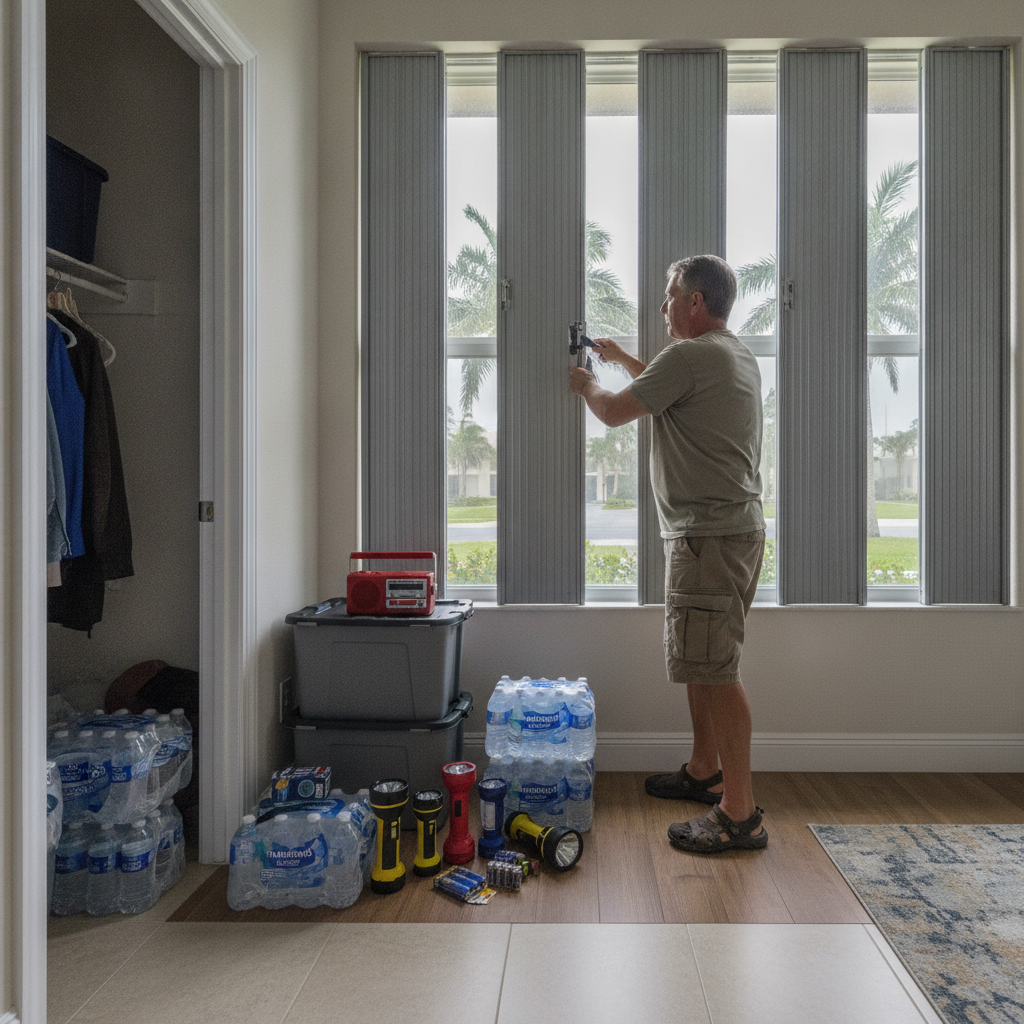
Living in a hurricane-prone area means you need a plan before storm season starts. In Tampa, that usually means:
- Hurricane Shutters or Impact Windows: Upfront protection that can reduce risk.
- Emergency Supplies: Water, batteries, flashlights, and basic essentials.
- Generators: Useful for some properties, especially if power loss would shut down the stay.
- Pre- and Post-Storm Property Checks: Someone needs to secure the place and check for damage.
- Higher Insurance Premiums: A common reality in Florida, especially for properties near the coast.
Pool Maintenance
Pools help bookings, but they also add another standing expense. Routine pool maintenance in Tampa often comes with weekly service, chemical balancing, and the occasional repair.
Factors influencing costs include:
- Pool Size and Type: Bigger pools take more time and chemicals.
- Features: Heaters and hot tubs add more upkeep.
- Service Frequency: Weekly or bi-weekly service changes the price.
- Chemical Costs: Some services include them, some don’t.
Cleaning and Turnover Management: A Variable Expense
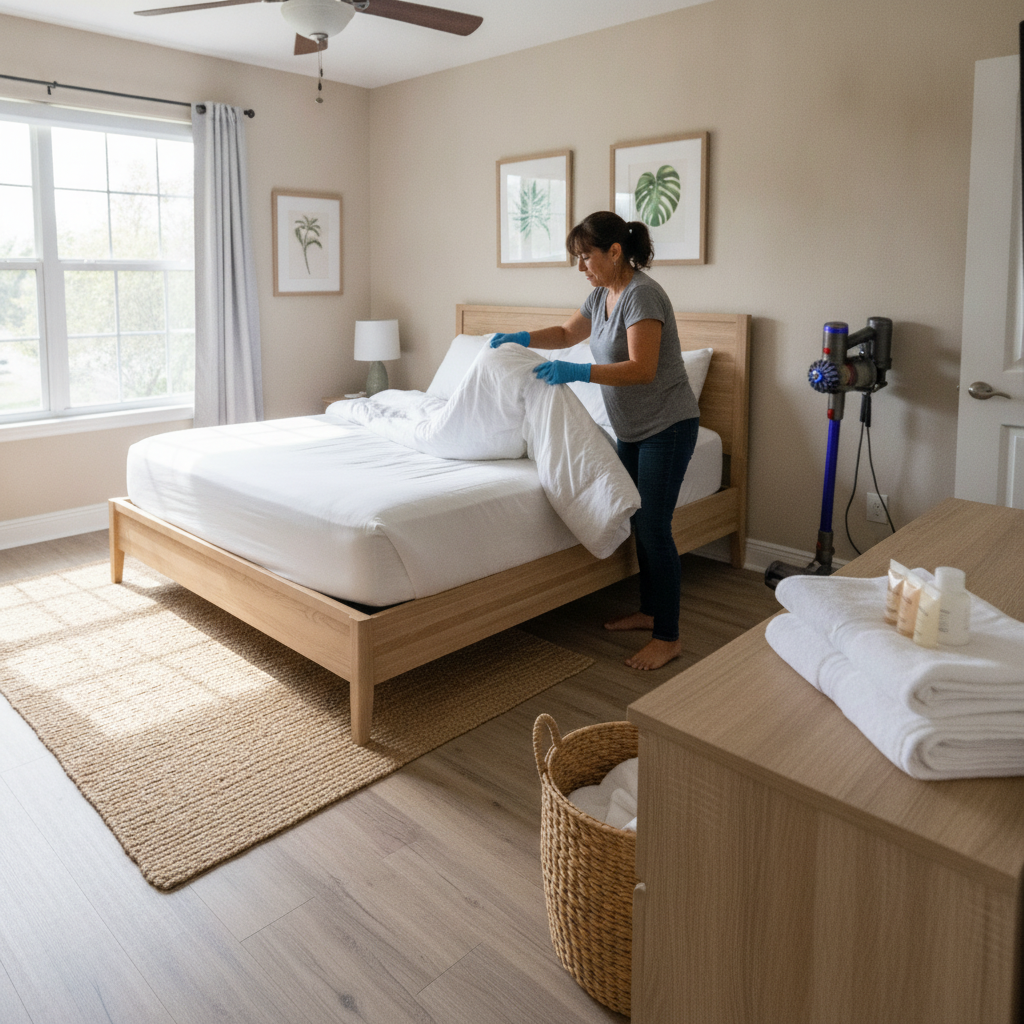
Turnover cleaning is one of the most important recurring expenses in an Airbnb. It affects reviews, rebooking, and whether the next guest walks into a clean place or a disaster.
Average Cleaning Costs in Tampa
Cleaning prices vary a lot by property size, layout, and turnaround speed. Smaller homes may land in a lower range, while larger homes with more bedrooms, bathrooms, and laundry can cost much more.
Cleaners may charge hourly or by job, and bigger properties often need a crew instead of one person.
Factors Influencing Cleaning Costs
- Property Size: More rooms mean more labor.
- Scope of Cleaning: Standard turnover is different from a deep clean.
- Add-Ons: Laundry, pet hair removal, odor removal, hot tub cleaning, and pool deck cleaning can all raise the bill.
- Turnover Speed/Rush Fees: Same-day turnovers usually cost more.
- Guest Behavior: Messier stays can mean extra charges.
Airbnb’s service fee still applies to the booking subtotal, which can include the cleaning fee you charge. So if you pass part of the cleaning cost through to the guest, remember that fee is still part of the booking economics.
Optional: Property Management Fees
For a lot of owners, especially if they’ve got multiple units or a full-time job, hiring a property manager makes sense. You’re trading a slice of revenue for time, systems, and fewer late-night texts.
What Property Management Includes
Full-service Airbnb management in Tampa usually covers:
- Guest Communication: Messaging, booking management, and check-in/check-out help.
- Dynamic Pricing & Marketing: Updating rates, photos, and listing copy as demand changes.
- Cleaning & Maintenance Coordination: Scheduling cleaners, inspections, and repairs.
- Compliance: Keeping up with local rules, licensing, and taxes.
- Owner Reporting: Sending clear financial updates and performance reports.
Typical Fee Structures
Short-term rental management fees can vary a lot depending on service level and property type. Some managers charge a percentage of monthly revenue, while others use a flat fee or a hybrid model. Extra charges may apply for setup, software, or one-time project work.
When you compare managers, ask what’s included in the fee and what’s billed separately. That’s usually where the real difference shows up.
The Value Proposition
For owners who want the day-to-day handled without the noise, a good manager can simplify the whole operation. The real win is less about buzzwords and more about fewer mistakes, faster turnover, and a cleaner guest experience.
Maximizing Your Airbnb Profit Margins in Tampa
Once you understand the costs, the next step is deciding where to tighten things up. Profit in Tampa depends on property type, seasonality, and how well the place is run.
Strategic Cost Management and Revenue Enhancement
A few things usually matter most:
- Optimize Pricing Dynamically: Adjust rates for seasonality, local events, and demand.
- Energy Efficiency: Smart thermostats and better HVAC habits can help keep electric bills under control.
- Vendor Relationships: Reliable cleaners and maintenance people are worth more than the cheapest quote.
- Guest Experience Focus: Clean, responsive, and well-stocked places usually outperform the ones that feel neglected.
- Multi-Platform Listing: Some hosts expand beyond Airbnb to reduce dependence on one platform.
- Direct Bookings: Repeat guests can sometimes book direct, though that takes its own marketing and payment setup.
Key Cost Categories at a Glance
- Airbnb platform fees: usually charged on the booking subtotal, depending on account setup
- Licensing and tax registration: state and local requirements vary by jurisdiction
- Taxes: Florida sales tax and local tourist tax may apply
- Insurance: specialized short-term rental coverage is often needed
- Cleaning and turnover: one of the most variable recurring costs
- Utilities: especially electricity in hot months
- Pool care: if the property has one
- Hurricane prep: common in Tampa and worth budgeting for
- Management fees: optional, but often worth it for busier owners
For both new and experienced hosts, knowing these costs is what keeps the numbers honest. If you’re running an Airbnb in Tampa, the profit is in what’s left after all the real expenses come out.
Frequently Asked Questions
What is the typical Airbnb host fee in Tampa, Florida?
Most professional Airbnb hosts in Tampa, especially those using property management software, pay a host-only service fee. The exact rate depends on the account setup and booking model, and it’s deducted directly from your payout.
Are short-term rentals legal in Tampa, FL, and what licenses do I need?
Yes, short-term rentals can be legal in Tampa, FL, but the exact rules depend on the property’s location and zoning. In general, check Florida DBPR requirements, local business tax receipt rules, and Hillsborough County and City of Tampa tax registration requirements before you list.
Do I need special insurance for my Airbnb in Tampa?
Yes, a standard homeowner’s insurance policy typically doesn’t cover short-term rental activity. Most hosts need specialized short-term rental insurance that covers property damage, liability, and loss of income, and hurricane coverage is a major consideration in Florida.
How much does pool maintenance cost for an Airbnb in Tampa?
Routine pool maintenance in Tampa often runs on a weekly service schedule, and the cost depends on pool size, features, and service frequency. Pools with heaters or hot tubs usually cost more to maintain.
What are common 'hidden' costs for Tampa Airbnb hosts?
Beyond standard operating expenses, common hidden costs in Tampa include specialized short-term rental insurance, hurricane preparedness, pool maintenance, and zoning compliance issues. Those are the costs that tend to surprise new hosts most.